Becoming a parent changes everything.
Suddenly, every decision feels important.
How should you respond when your baby cries?
How much independence should you give your child?
How can you help your child grow into a confident and emotionally healthy person?
Many new parents search for parenting advice because they want to avoid making mistakes.
But good parenting is not about having every answer.
It is about understanding your child and building a relationship where they feel safe, valued, and supported.
The right parenting books can help new parents develop a more thoughtful approach to raising children.
1. The Parent You Aspire to Be
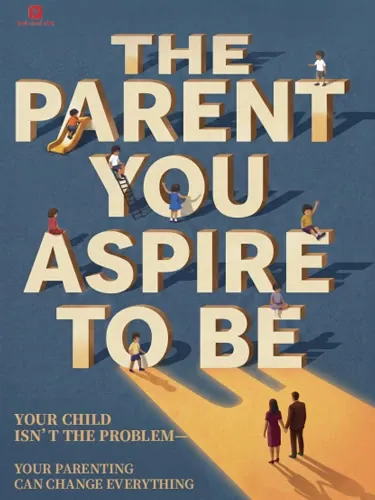
Best for: New parents who want to build a strong emotional foundation
Many parenting books focus on what children should do.
But The Parent You Aspire to Be focuses on something equally important:
Who parents become in the relationship.
The book explores how parents can better understand children’s needs, emotions, and behaviors instead of simply reacting to problems.
For new parents, this perspective is valuable because early interactions shape the foundation of the parent-child relationship.
The book encourages parents to:
- See behavior as communication
- Respond with empathy
- Build trust through everyday moments
- Support children’s emotional development
Raising a confident child does not begin with teaching independence.
It begins with helping children feel secure and understood.
2. The Whole-Brain Child
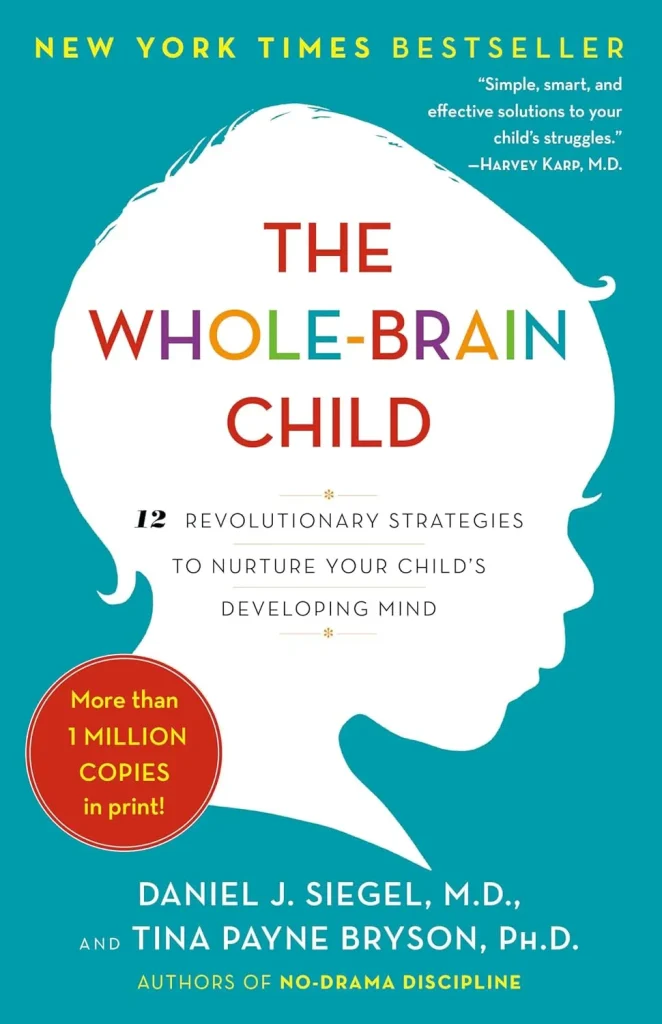
Best for: Parents who want to understand children’s emotional development
Children often experience emotions before they have the ability to explain them.
A toddler may have a meltdown because they cannot express frustration.
A young child may become upset because emotions feel overwhelming.
The Whole-Brain Child by Daniel J. Siegel and Tina Payne Bryson helps parents understand how children’s brains develop and how emotions influence behavior.
The book provides insights into:
- Children’s emotional reactions
- Brain development
- Handling difficult moments
- Supporting emotional intelligence
It helps parents respond with understanding instead of frustration.
3. How to Talk So Little Kids Will Listen
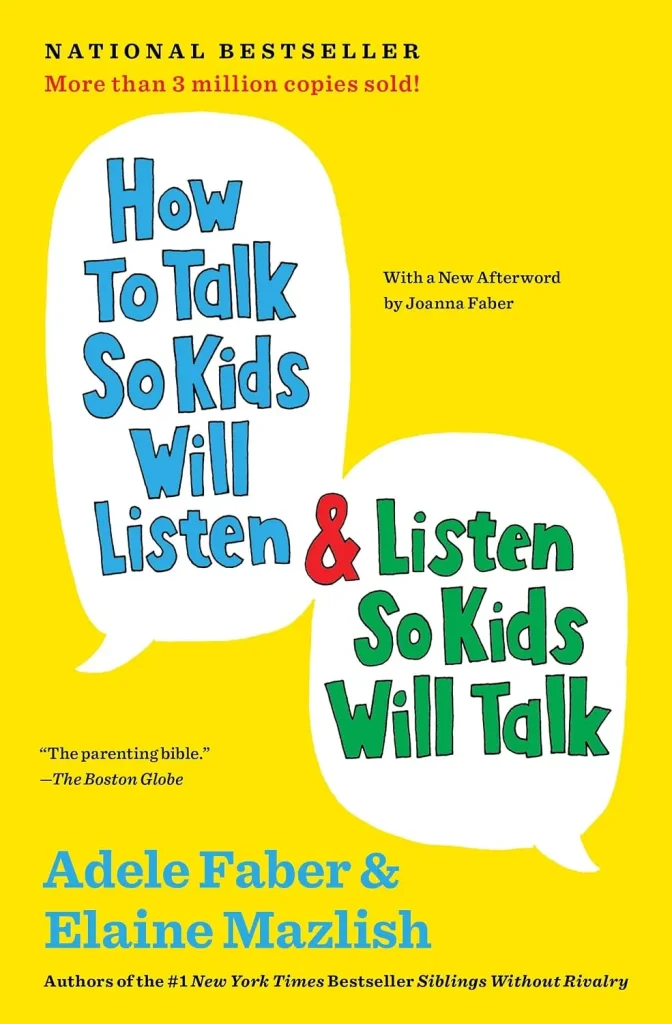
Best for: Parents who want better everyday communication
Daily parenting is filled with small conversations.
Getting dressed.
Cleaning toys.
Leaving the playground.
Following routines.
How to Talk So Little Kids Will Listen by Joanna Faber and Julie King focuses on practical ways parents can communicate more effectively with young children.
The book helps parents learn how to:
- Encourage cooperation
- Handle strong emotions
- Listen to children’s feelings
- Reduce daily conflicts
Confidence Comes From Feeling Supported
Many parents believe confidence comes from praising children constantly.
But confidence is often built through deeper experiences.
Children become confident when they learn:
“My feelings matter.”
“I can make mistakes and still be loved.”
“I can try again when something is difficult.”
A supportive relationship gives children the emotional security they need to explore the world.
Parenting Is About Building Connection Before Correction
New parents often worry about discipline.
But before children can learn from guidance, they need to feel connected.
A child who feels understood is more likely to trust their parents.
A child who feels respected is more likely to communicate openly.
A child who feels secure is more willing to develop independence.
Choosing the Right Parenting Book Can Change the Way You Parent
Every parent has moments of uncertainty.
No book can create a perfect parenting journey.
But the right book can help you see your child differently.
The Parent You Aspire to Be is a meaningful choice for new parents who want to build a relationship based on understanding, empathy, and emotional connection.
Because confident children are not created by perfect parenting.
They grow through consistent love, support, and connection.