“Mommy, I want it.”
“But I want it now.”
“No, I don’t like this!”
If you have a toddler, you have probably heard this tone many times.
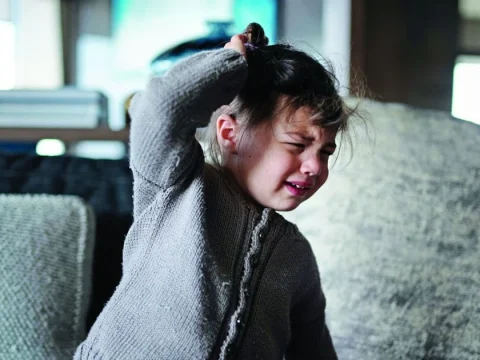
Whining can be one of the most exhausting parts of parenting.
A child asking for something is normal.
But when every request comes with a crying voice, frustration, or repeated complaints, many parents start wondering:
“Why does my toddler do this all the time?”
“Am I encouraging this behavior?”
“How can I make it stop?”
The truth is, toddlers usually do not whine because they want to make their parents frustrated.
Most of the time, whining is a sign that they are struggling to communicate a feeling or need.

1. Toddlers Often Lack the Words to Express Their Feelings
Young children experience big emotions before they have the language skills to explain them.
A toddler may feel:
- Tired
- Hungry
- Frustrated
- Disappointed
- Overwhelmed
But instead of saying:
“I’m having a difficult moment and I need help.”
They may whine.
For toddlers, whining is often a communication tool.
Learning to understand the message behind the behavior can change how parents respond.
2. They Are Testing Boundaries
Toddlers are naturally learning about independence.
They want to discover:
“What happens if I ask again?”
“Will the answer change?”
“Can I control this situation?”
This is part of normal development.
A child who repeatedly asks for something is not always being manipulative.
They are learning how the world works.
Consistent boundaries help children feel secure.
3. They Need More Connection, Not Just Correction
When parents hear whining repeatedly, the natural reaction is often:
“Stop whining.”
“Use your normal voice.”
“Why are you acting like this?”
But sometimes, the child may be seeking connection before cooperation.
A short moment of attention can help:
“I know you really want that.”
“I hear that you’re upset.”
“Let’s talk about it.”
Feeling understood can make children more willing to listen.
4. They Are Overwhelmed by Big Emotions
Toddlers are still developing emotional regulation.
A small problem can feel like a huge problem to them.
For example:
A broken snack.
A different cup.
A toy that does not work.
To adults, these things seem small.
To a toddler, they can feel overwhelming.
They need parents to help them calm down before they can learn from the situation.
5. Parents’ Reactions Can Influence the Pattern
Children learn from repeated experiences.
If whining always leads to a big emotional reaction, children may learn that whining creates strong attention.
This does not mean parents should ignore their child.
It means responding calmly and consistently can help change the pattern.
For example:
“I want to hear you. Try asking me with your regular voice.”
This teaches communication without shame.
How Can Parents Respond to Toddler Whining?
Instead of focusing only on stopping the behavior, try asking:
“What is my child trying to communicate?”
A helpful response may include:
- Acknowledge the feeling
“I know you’re disappointed.” - Set a clear boundary
“We are not buying that toy today.” - Teach a better way to communicate
“Try asking again with your calm voice.”
Children learn emotional skills through repeated practice.
Becoming a More Patient Parent During Difficult Moments
Toddler whining can be frustrating because it often happens when parents are already tired or overwhelmed.
Learning to respond calmly requires understanding both the child’s emotions and your own reactions.
This is one of the ideas explored in The Parent You Aspire to Be, a parenting book focused on helping parents build stronger connections, understand children’s behavior, and respond with greater patience and awareness.
Instead of asking:
“How do I stop my child from doing this?”
A more helpful question can be:
“What is my child trying to express through this behavior?”
That shift can transform everyday parenting challenges into opportunities for connection.
Final Thoughts
Toddler whining is frustrating, but it is also a normal part of emotional development.
Behind the whining is often a child who is still learning:
- How to express feelings
- How to handle disappointment
- How to communicate needs
The goal is not to raise a child who never struggles.
The goal is to help them learn healthier ways to express themselves.
With patience, consistency, and connection, children gradually develop the emotional skills they need.