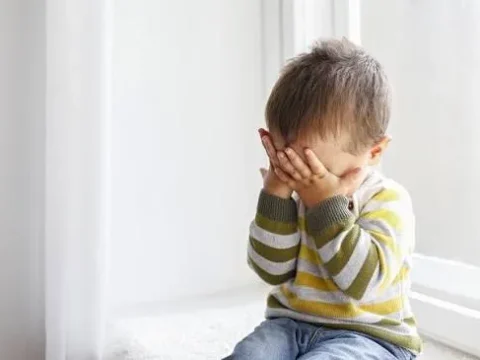
Your toddler suddenly hits you.
Maybe it happens during a tantrum.
Maybe they hit when they are frustrated.
Maybe they even hit the person they love most — you.
Many parents feel shocked and hurt in these moments.
They wonder:
“Why would my child hit me?”
“Am I doing something wrong?”
“How do I stop this behavior?”
The first thing to understand is that toddler hitting is usually not about being “bad.”
Young children are still learning how to manage big emotions.
They may not have the words to say:
“I’m frustrated.”
“I’m overwhelmed.”
“I need help.”
So they communicate through actions.
The goal is not only to stop the hitting.
The goal is to teach your child a better way to express what they feel.

Why Do Toddlers Hit Their Parents?
Toddlers experience emotions much bigger than their ability to control them.
A child may hit because they are:
- Frustrated
- Angry
- Overstimulated
- Tired
- Unable to communicate their needs
- Testing boundaries
At this age, the emotional part of the brain develops faster than the self-control part.
Your toddler may understand that hitting hurts, but still struggle to stop the impulse in the moment.
The behavior is a message.
Your child is saying something — they just do not know how to say it yet.
What Should I Do When My Toddler Hits Me?
The most important thing is your response.
Your child is watching how you handle emotions.
Instead of reacting with anger, try these steps:
1. Stay Calm and Set a Clear Boundary
Get close to your child and calmly say:
“Hands are not for hitting.”
“I won’t let you hit me.”
Your child needs to understand that hitting is not acceptable, while also feeling safe with you.
A strong boundary does not require a strong reaction.
2. Acknowledge the Feeling Behind the Behavior
Stopping the behavior does not mean ignoring the emotion.
Try saying:
“You are really angry.”
“You didn’t like that I said no.”
“You wanted that toy.”
When children feel understood, they are more able to learn emotional control.
3. Teach What They Can Do Instead
Toddlers need replacement behaviors.
Simply saying:
“Don’t hit.”
often does not tell them what to do next.
Teach alternatives:
“Say ‘I’m mad.’”
“Ask for help.”
“Use gentle hands.”
“Take a break.”
Over time, children learn healthier ways to express strong feelings.
What Should I Avoid When My Toddler Hits?
Some common reactions can make the situation harder.
Avoid yelling back
When a child is overwhelmed, a parent’s anger can increase the intensity of the moment.
Your calm response teaches emotional regulation.
Avoid labeling your child
Avoid phrases like:
“You are being bad.”
“You are aggressive.”
“You are a mean kid.”
Children are still learning.
Focus on the behavior, not their identity.
Instead of:
“You are bad.”
Try:
“Hitting is not okay.”
Avoid forcing an apology immediately
Many parents want their child to say sorry right away.
But real empathy develops over time.
First help your child calm down and understand what happened.
Later, you can teach repair:
“Your hands hurt someone. How can we make them feel better?”
How Can I Teach My Toddler Emotional Regulation?
Toddlers learn emotional control through repeated experiences with calm adults.
You can help by:
Naming emotions
Children who learn emotional words can better express their feelings.
Examples:
- Angry
- Sad
- Frustrated
- Disappointed
- Excited
Modeling healthy reactions
Children learn more from what we do than what we say.
When parents handle frustration calmly, children gradually learn the same skill.
Creating predictable boundaries
Children feel safer when they know what is expected.
Clear and consistent limits help children understand the world around them.
Final Thoughts
When your toddler hits you, it can feel frustrating, embarrassing, or even personal.
But your child is not trying to hurt you emotionally.
They are still learning how to handle feelings that are too big for them.
The goal of parenting is not to raise a child who never feels angry.
It is to help them learn what to do with those emotions.
With patience, connection, and consistent guidance, difficult moments can become opportunities for growth.