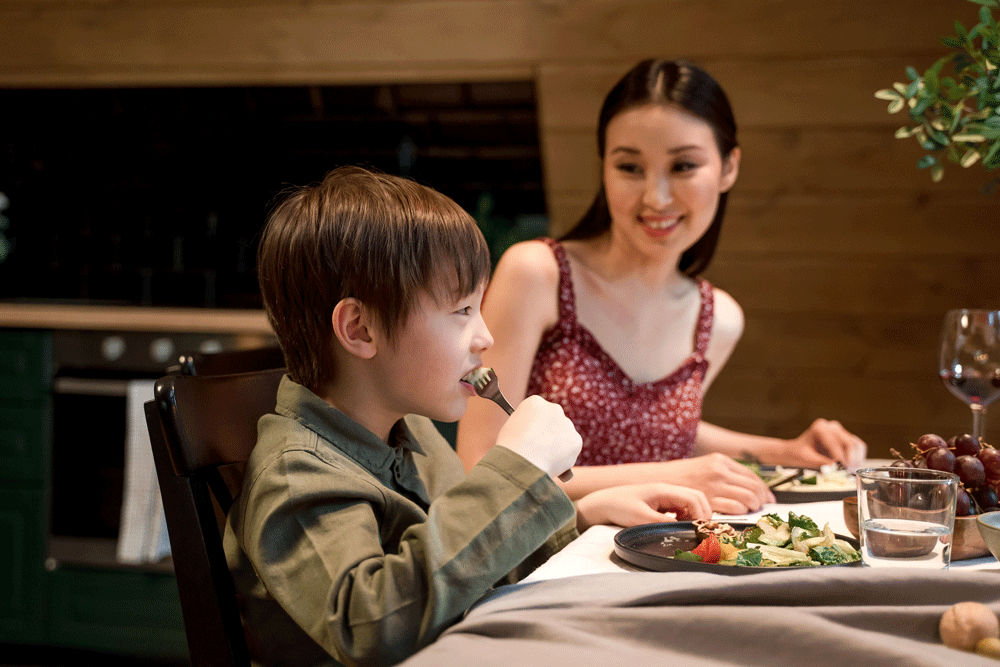
Your child’s eating habits have shifted dramatically lately. Some days they take two bites and claim they’re full; other days they binge on snacks as if they haven’t eaten in days. You vary home-cooked meals to tempt them, yet nothing works. You start worrying: Is there something wrong with their stomach? Are they sneaking snacks at school?
You may be overlooking a key factor: these drastic changes in eating often tie back to stress.
Most parents label unusual eating patterns as picky eating or greediness at first. But the root issue is rarely the food itself. Stress distorts not only a child’s appetite, but how they process every feeling around them.
Stress impacts eating in two distinct ways. One is loss of appetite: stress hormones disrupt digestion, dull hunger signals, and even make food feel unappealing. The other is compulsive overeating: anxiety triggers emotional eating, as sugary, fatty foods deliver brief comfort. These opposite behaviors can stem from the same core trouble — something weighing heavy on their mind, and their body sending out warning signals instead.

Tell apart “I don’t want to eat” and “I physically can’t eat”
“I don’t want to eat” is a conscious choice, such as disliking a certain dish. “I can’t eat” is a physical reaction, where their stomach feels tight and empty hunger vanishes entirely. Many teens cannot tell the difference themselves.
Simple observations help you tell them apart. If they happily snack yet refuse regular meals, this is likely simple food preference. If they lose interest in all food, even their long-time favorites, stress-induced loss of appetite is more probable. What looks like picky eating may just be a digestive system shut down by tension.
For food preference issues, adjust meal times and menu options. For stress-related loss of appetite, focus on sorting out their recent worries instead of pushing food. Eating is a basic bodily instinct; when this instinct breaks down, deeper emotional strain is almost always the cause.
Swap “Why aren’t you eating?” for “Has anything felt different lately?”
Directly asking about their eating habits usually earns a short “I’m not hungry” and ends the conversation. They may struggle to put tangled stress into words, or believe sharing their troubles will only bring more lectures.
Ask gentle, unrelated questions instead: “Has anything changed at school?” “Are things okay with your friends?” “How have you been sleeping lately?” Answers to eating struggles often hide in these other areas. Many parents find their child opens up about stress naturally once small daily topics feel safe to discuss.
Timing matters too. Pressing them over the dinner table while holding a bowl makes them feel pressured to eat. Bring up these casual questions during walks or before bed, when the atmosphere feels relaxed — they are far more likely to open up.
If they overeat to cope with stress, avoid taking away snacks right away
Many kids reach for sweets and fried food when overwhelmed. Parents’ first instinct is to confiscate treats and tell them to stop, yet this often backfires. These snacks act as their makeshift coping mechanism, unhealthy as it is. Before removing their only comfort outlet, offer them healthier ways to release stress.
Skip judgmental remarks about their snack choices. Try this line instead: “I’ve noticed you’ve craved a lot of sweet food recently. Is something weighing on your mind?” Connect with their feelings first before addressing their eating behavior.
Emotional overeating is a temporary escape from anxiety. If you simply take away their coping tool without replacing it, they may turn to more hidden harmful habits, such as staying up all night or mindless scrolling.
Relieve stress outside mealtimes
Dining table conflicts rarely fix stress-driven eating issues. Staring down a child during meals only amplifies their tension.
Many parents see clear improvements after releasing built-up stress away from the table. Set aside time once or twice a week for low-stakes shared activities: a walk, ball game, or simply sitting side-by-side scrolling separately. Avoid talking about food or school entirely. Let them feel relaxed and unpressured in your company.
A sense of safety comes first. A child constantly watched and judged stays in a subtle state of tension. The digestive system automatically shuts down under constant stress — this is an innate self-protection response, unrelated to self-control.
Seek professional help if changes last two weeks or longer
If unusual eating persists over two weeks, paired with obvious weight shifts, persistent low mood or sleep trouble, reach out for professional support. A child’s body does not lie; disrupted eating signals emotional weight they cannot process alone.
Frame the conversation softly without blame: “I’ve seen eating feel hard for you lately. I’d like us to check in with a doctor or counselor, not to force you to eat more, just to help you feel more comfortable.” School counselors, pediatricians and dietitians are all great starting points. You do not need to wait for extreme weight loss or gain to seek guidance; early support shortens the healing process greatly.
Final thought
You have likely tried every fix: new recipes, gentle persuasion, scolding and coaxing. Some days get better, then old patterns return. You cannot pinpoint what is hurting them, or figure out how to help.
One truth becomes clear over time: eating struggles are never only about food. Their body speaks out the worries they cannot put into words.
You do not have to fix everything at once. Sometimes all they need is to know you will not push them when they cannot eat, and will not scold them when they overindulge. You only need to sit beside them, steady and present.
Your job is not to “fix” their lost appetite. It is to remind them they are not alone while they heal.
Sources:
- The Teenage Brain: A Neuroscientist’s Survival Guide by Dr. Frances E. Jensen
- Brain-Body Parenting by Dr. Mona Delahooke
- Why We Eat (Too Much): The New Science of Appetite by Dr. Andrew Jenkinson
- The Body Keeps the Score by Dr. Bessel van der Kolk — on how stress stores in the body
- Harvard Medical School — research on stress and digestive function
- American Academy of Pediatrics — guidelines on stress-related eating in children and teens
- 2024 national survey data on adolescent mental health and somatic symptoms
- Chinese Nutrition Society — research on adolescent eating behavior and mental health